Skip to content

Host a championship or MUN on your campus.

Taivas designs, judges and runs the event end to end. Your students get a home stage; your school gets a fixture other schools travel to.

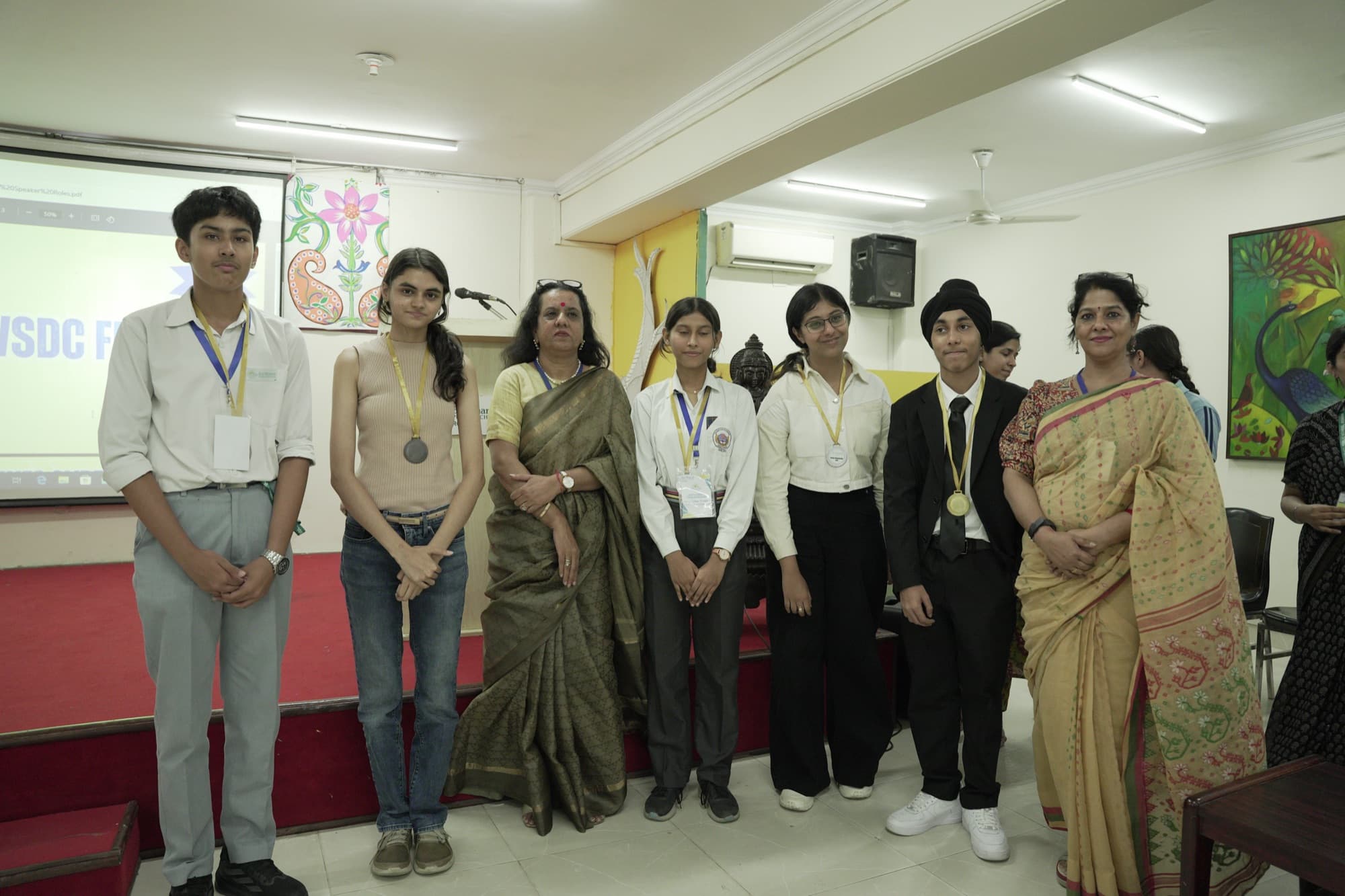
Six students with medals standing with their teachers on a stage
formats, run end to end
3
days on your campus
1 to 3
committees in a Model UN
3 to 8
weeks from first call to event day
6

Three formats we run end to end.

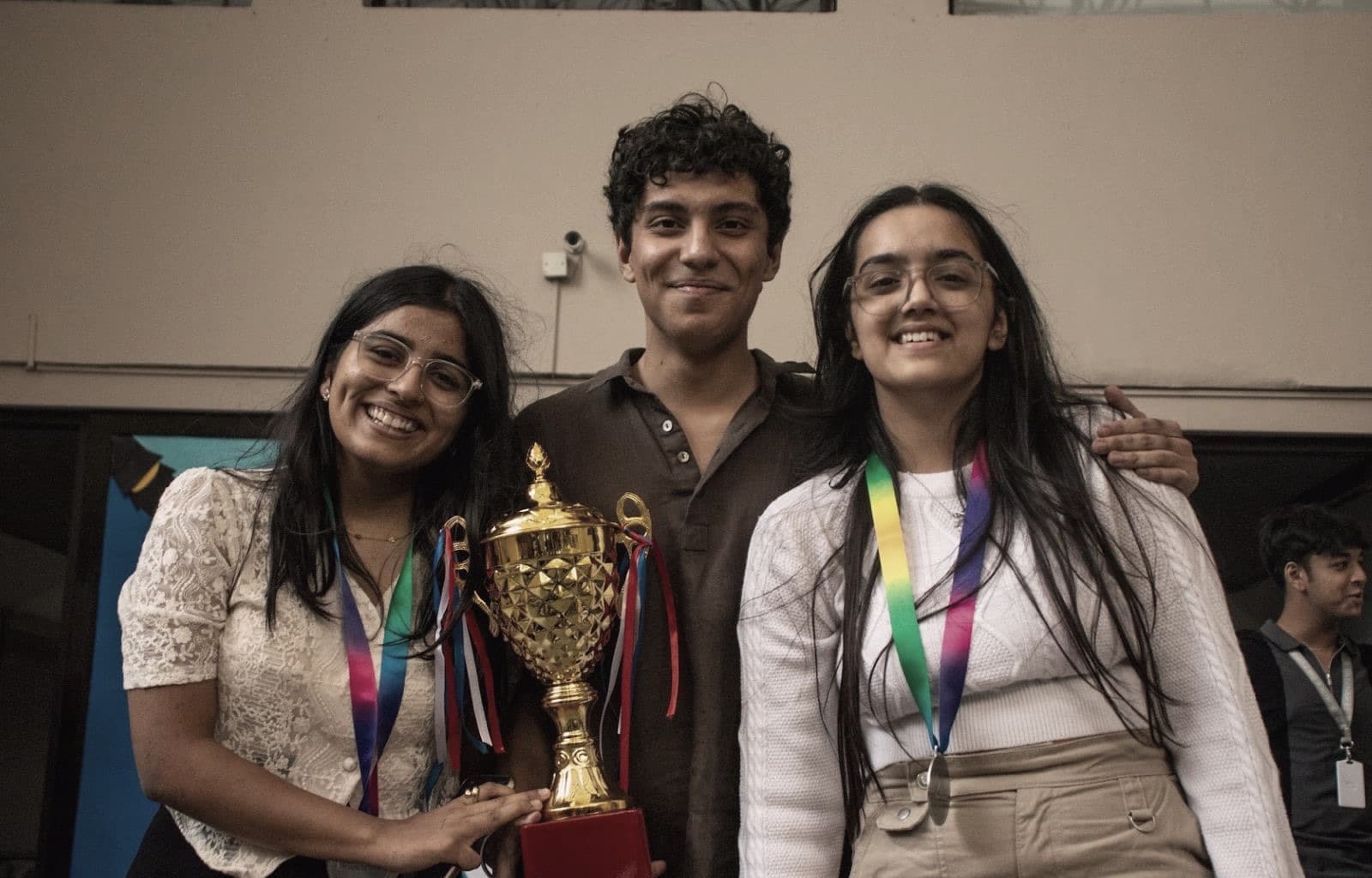
  • Three students holding a trophy after a debate final

    Parliamentary debate championship

    Intra-school or inter-school, 1 to 2 days

    British or Asian Parliamentary rounds, breaks, a grand final, adjudication by Taivas coaches and invited judges.

    Best for: A home stage for your debaters; a fixture other schools travel to.
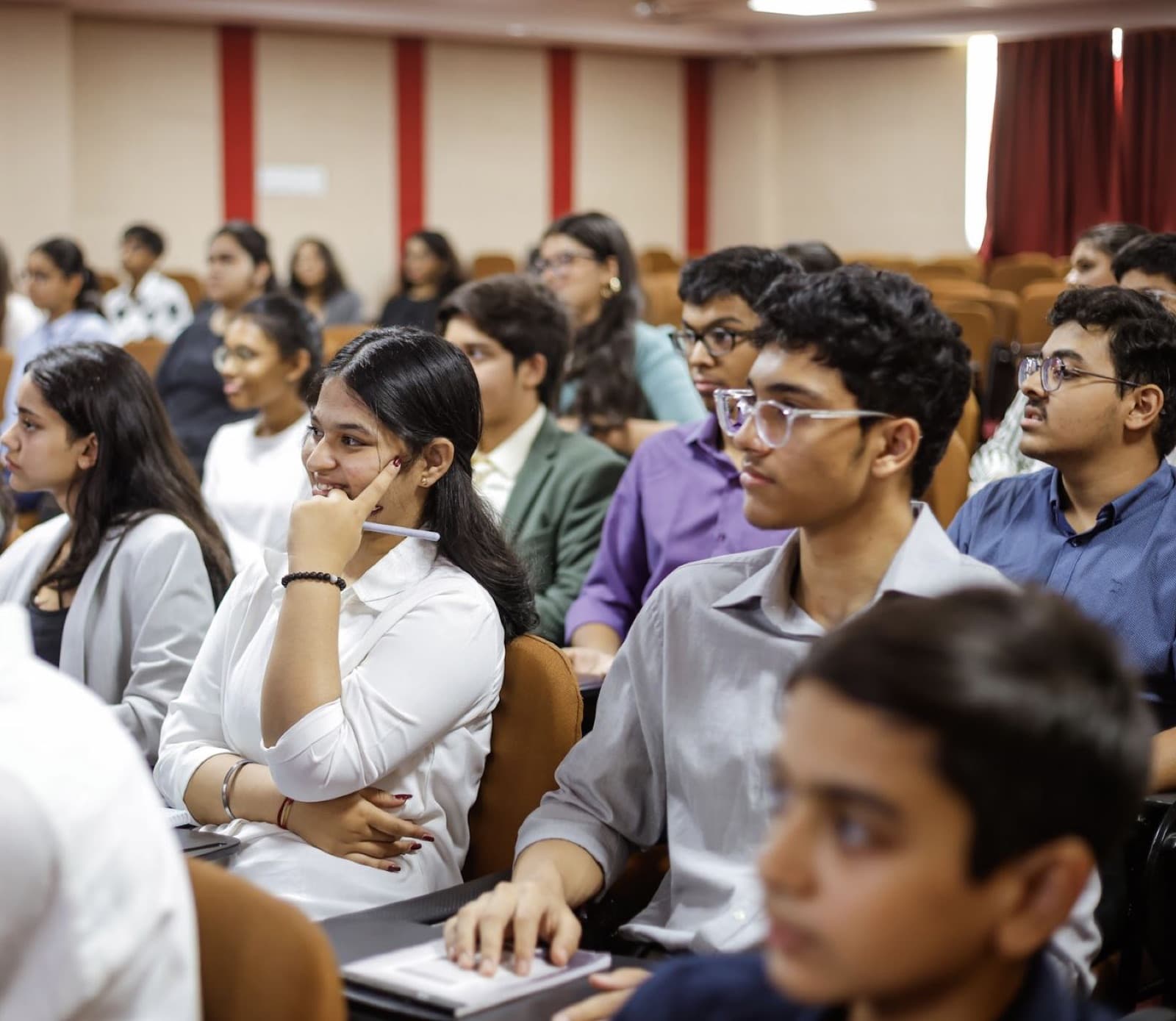
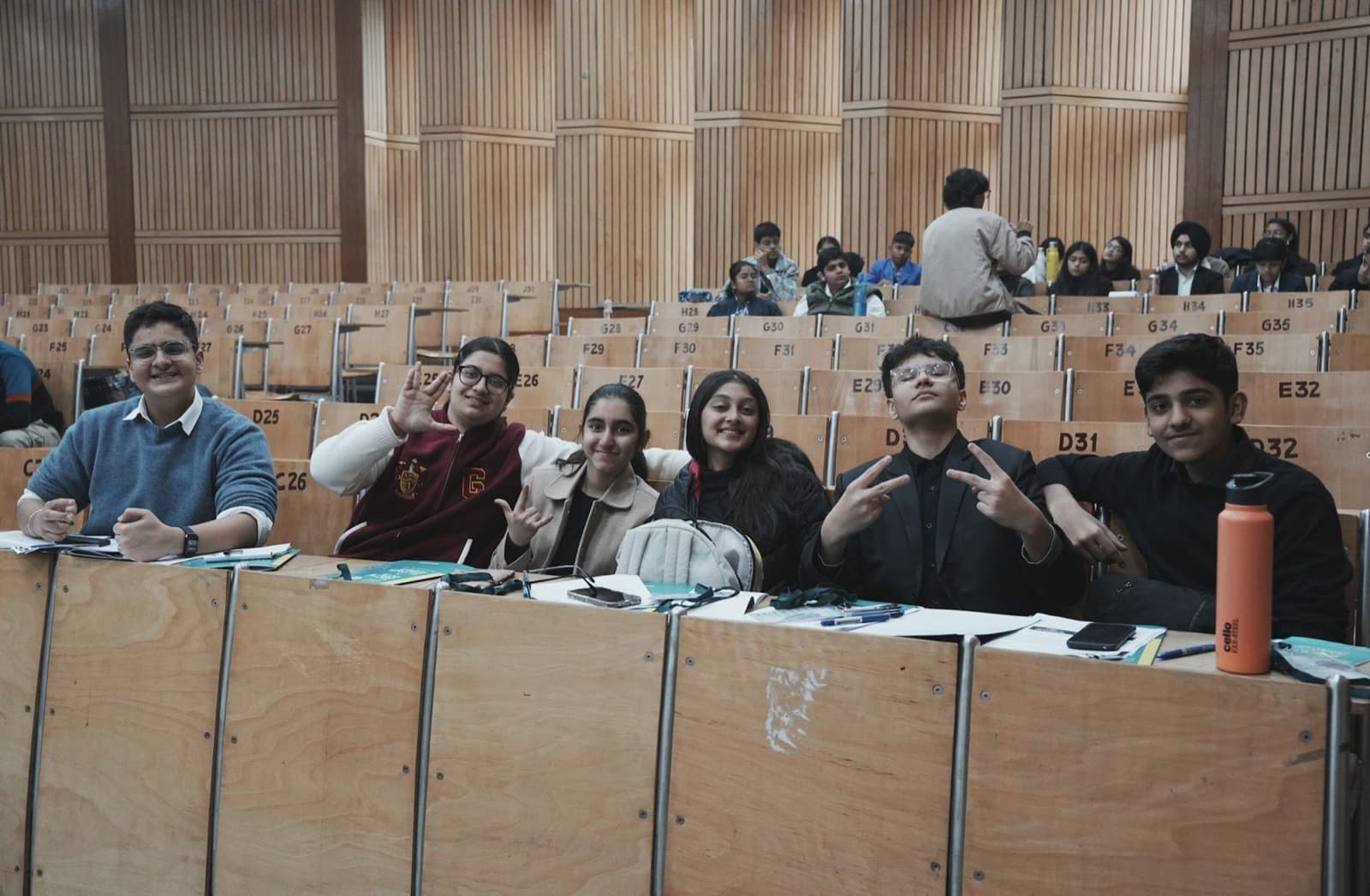
  • Students seated in a hall, listening to a speaker

    Model United Nations

    1 to 3 days, 3 to 8 committees

    Agendas and background guides, an executive board, chairing, resolutions and awards.

    Best for: Schools building a serious MUN culture, or hosting their first.

  • Students at their desks in a packed lecture hall

    Debate Fest

    1 day, all grades

    Public speaking, turncoat, extempore and mini-debates in parallel arenas, with a showcase final.

    Best for: Whole-school participation with a competitive edge.

What a Model UN is, in five beats.

For a school hosting its first: each student represents a country in a committee with one agenda, and the room ends with a vote.

  1. Roll callYou are not you any more.A placard with a country's name. A committee agenda you have read three times. When the chair calls the room to order, the twelve-year-old from Grade 7 answers as France.
  2. The opening speechNinety seconds. Everyone listening.Your country's position, said out loud, from the front. Where you stand, what you want, who you need. It is the first speech most delegates ever give to forty strangers.
  3. Unmoderated caucusThe room breaks. The real work starts.Delegates leave their seats and find their allies. Blocs form. Someone becomes the one who holds the pen. Nobody is teaching; everybody is negotiating.
  4. DraftingWrite the thing you argued for.A resolution is a real document: preambular clauses, operative clauses, sponsors and signatories. It gets amended, attacked, defended, and read aloud.
  5. The vote and the awardsPlacards up. Count it.The resolution passes or fails in front of everyone. Then the chair names the delegates who moved the room: Best Delegate, High Commendation, Special Mention.
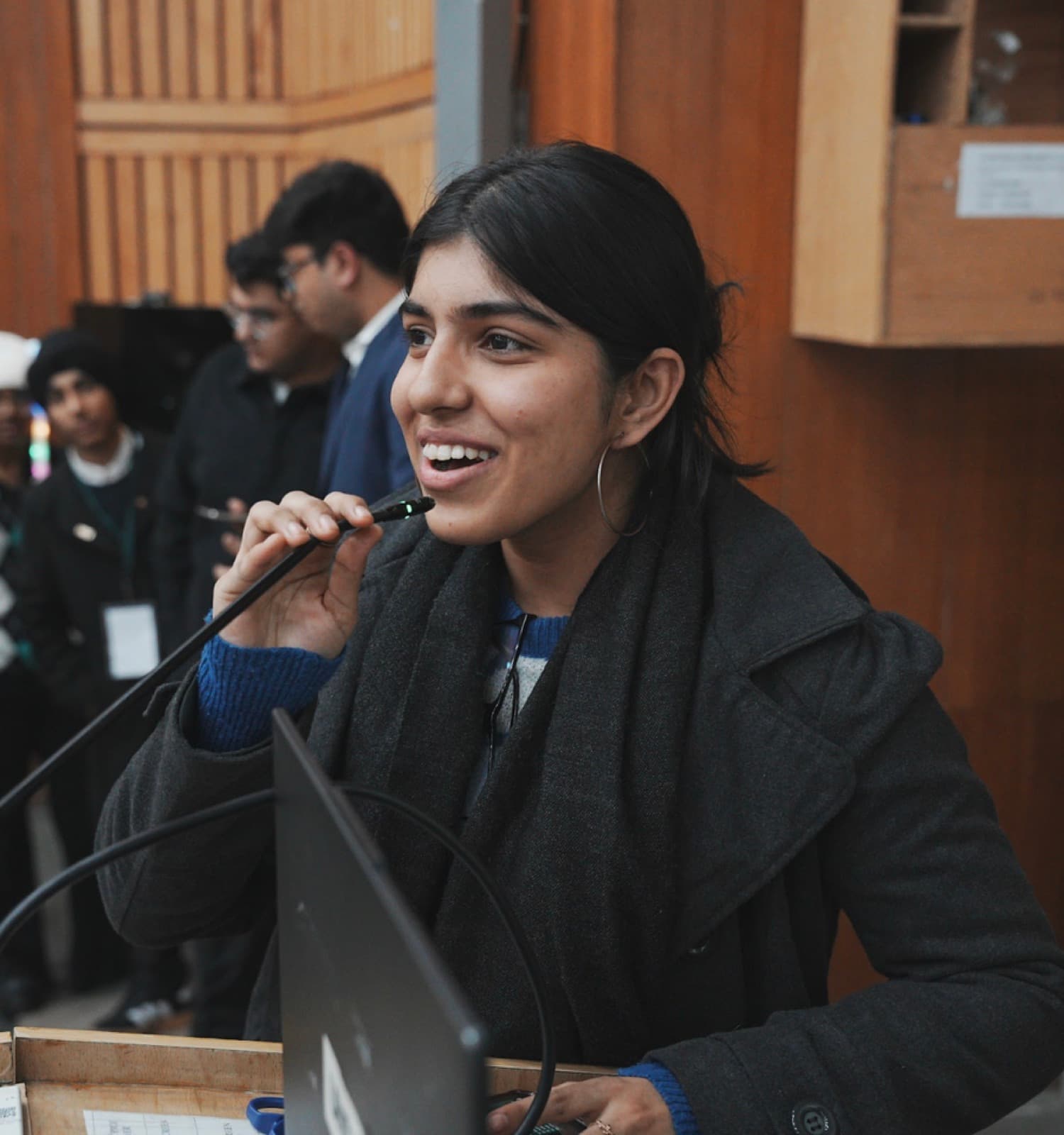
A senior student smiling as she speaks into a microphone
A student at the microphone at a Taivas event

From first call to awards ceremony.

  1. Six weeks out: design

    Format, grade tracks, motions or agendas, judging criteria and the run of show, agreed with the school.

  2. Four weeks out: invitations

    Registrations open, internal or inter-school. Delegate allocations and background material go out.

  3. One week out: briefings

    Judge and executive-board briefings, tab set-up, a venue walk-through, print and awards ready.

  4. Event day

    Taivas runs the floor: rounds, tabulation, results, adjudicator feedback and the awards ceremony.

  5. After

    Results published, certificates issued, a short report to the school with photographs.

Who does what.

Taivas provides

  • Academic design: format, motions or agendas, judging criteria
  • Adjudicators, chairs and an executive board
  • Tabulation, results and adjudicator feedback
  • Run of show, briefings and floor management on the day
  • Certificates, awards and a post-event report

The school provides

  • Venue: an auditorium and breakout rooms
  • A coordinator and student volunteers
  • Invitations to participating schools, for inter-school events
  • Refreshments and basic AV
  • Trophies, if the school prefers its own

On file.

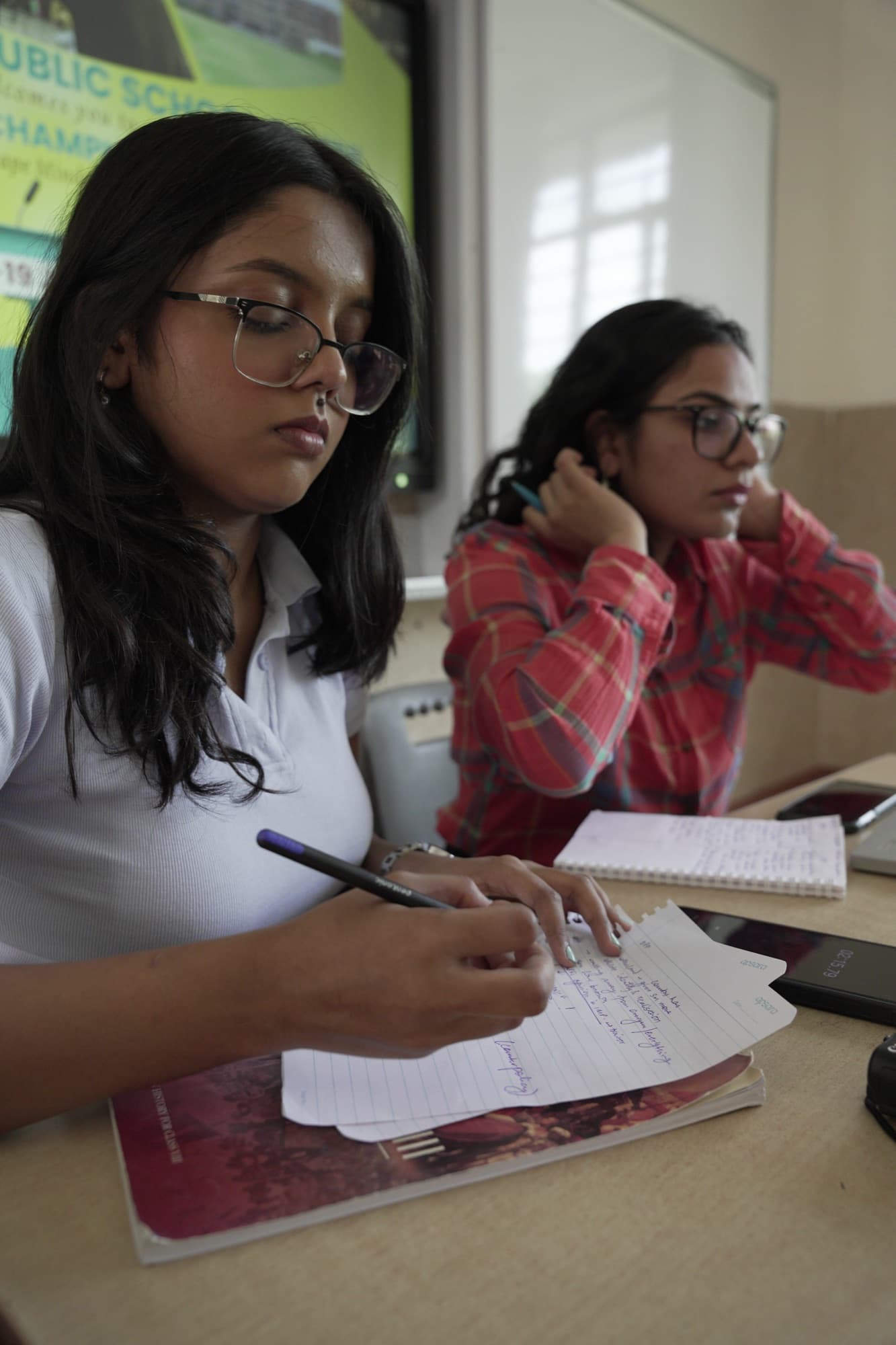
Two students drafting debate cases at their desks during the championship
Case drafting at the BBPS Rohini Invitational, Delhi

Bal Bharati Public School, RohiniDelhi

The BBPS Rohini Invitational Debate Championship, 2025.

  • An invitational debate championship hosted on the school's own campus
  • Students drafted their cases on the day, pictured
  • Alongside it, an MUN club for Grades 4 and 5: twelve one-hour sessions

Scored every session. Reported every term.

  • Four dimensions after sessions: clarity and structure, confidence and delivery, argumentation and rebuttal, content and GK awareness.
  • A coach note with every score: what improved, what to work on next.
  • A term report per student and a summary per class, to the school and to parents.
How reporting works

Session feedback

Sample student · Grade 7 · Intermediate

Week 6 · British Parliamentary round

Sample
Clarity & Structure
Are ideas organised and easy to follow?
4
Confidence & Delivery
How does the student carry themselves while speaking?
3
Argumentation & Rebuttal
Are points logical, relevant and well-supported?
4
Content & GK Awareness
Is the student using current, relevant examples?
3
Coach noteStrong case structure and a sharp second rebuttal. Slow the opening by a beat, and bring one current example into the GK section next week.

The proposal, in one document.

Formats, how a term is timetabled, the rubric and a sample report, partner schools and the pricing structure. Something you can forward to the management committee.

Talk to Prithvi

Fill in the form or call. No commitments, just a conversation about what would fit your school.

School Partnerships

Prithvi Raj Singh

Drives every school partnership at Taivas, from first contact and MOU signing through to full enrolment and onboarding. Replies within one business day.

+91