
MUN Training · Grades 7 to 12
Two days as a country.
In a Model United Nations conference your child becomes a country's delegate for two days: they research, give speeches, negotiate with forty others, and pass a resolution the room votes on.
First cohort not yet announced. Tell us the grade and you hear first, before it is published anywhere.
What a conference feels like
Two days, five moments.
This is the room we are training your child to walk into. Every moment below happens at every Model UN, in this order.
- 01
Roll call
You are not you any more.
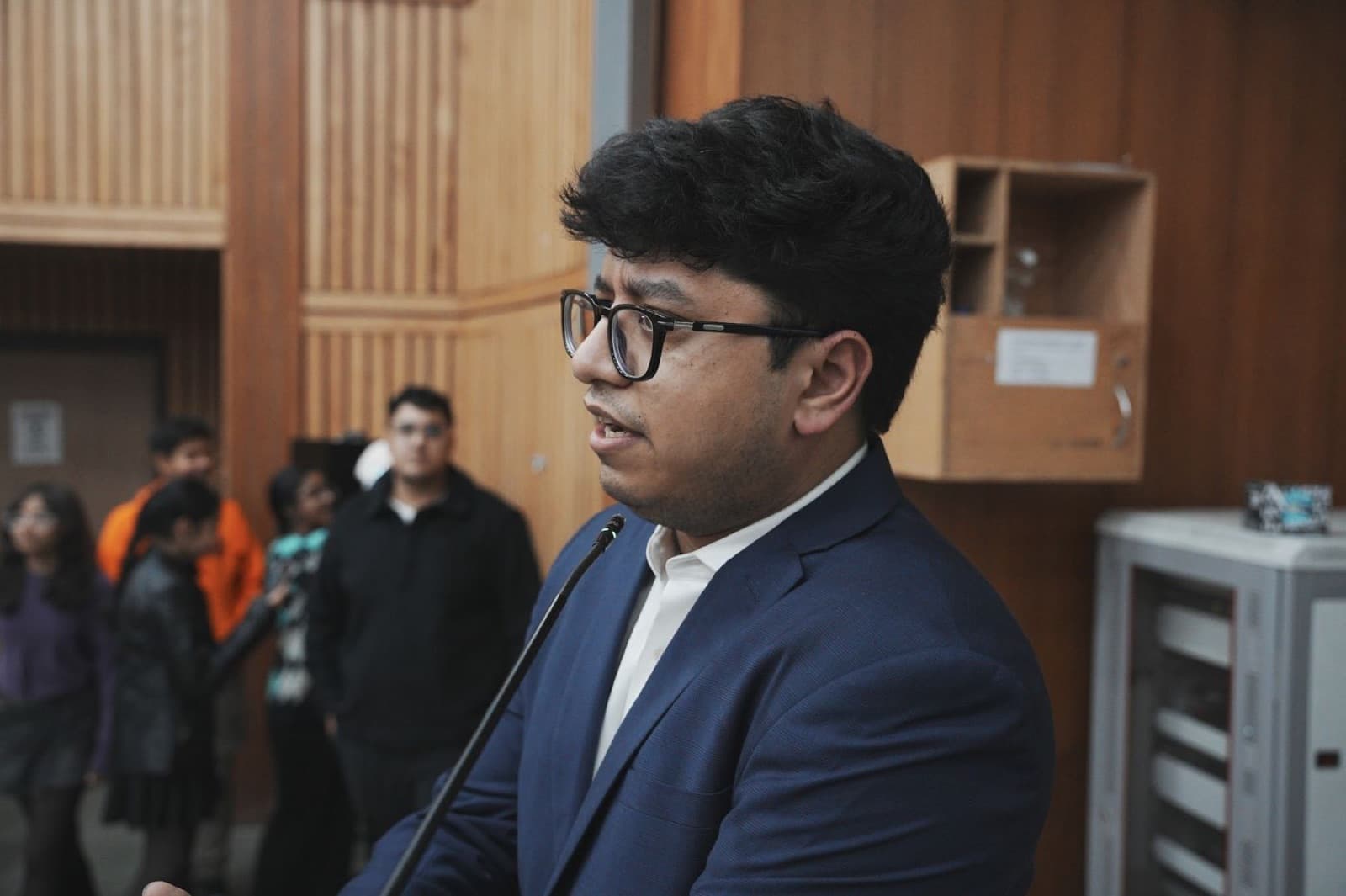
A placard with a country's name. A committee agenda you have read three times. When the chair calls the room to order, the twelve-year-old from Grade 7 answers as France.
Roll call - 02
The opening speech
Ninety seconds. Everyone listening.
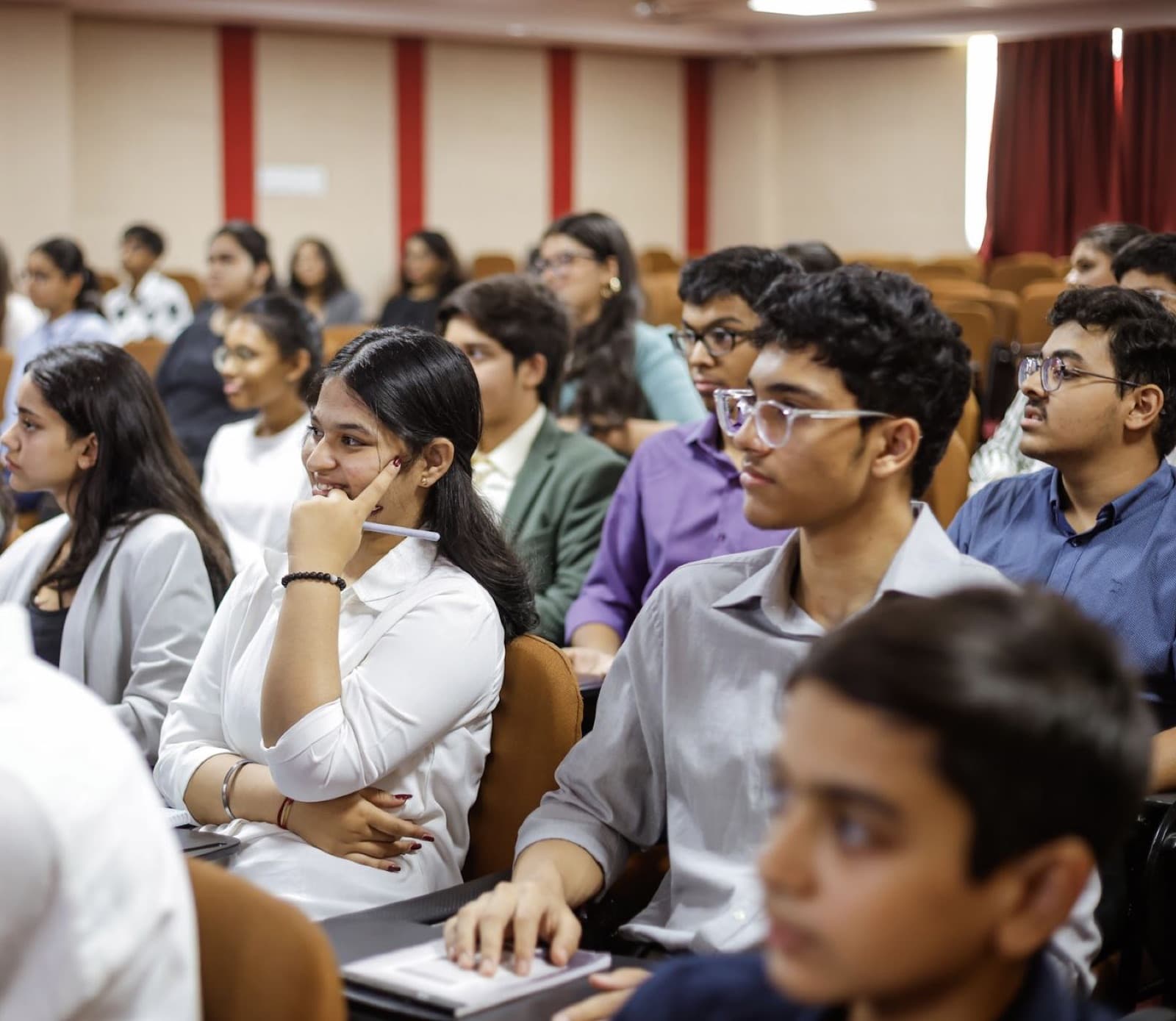
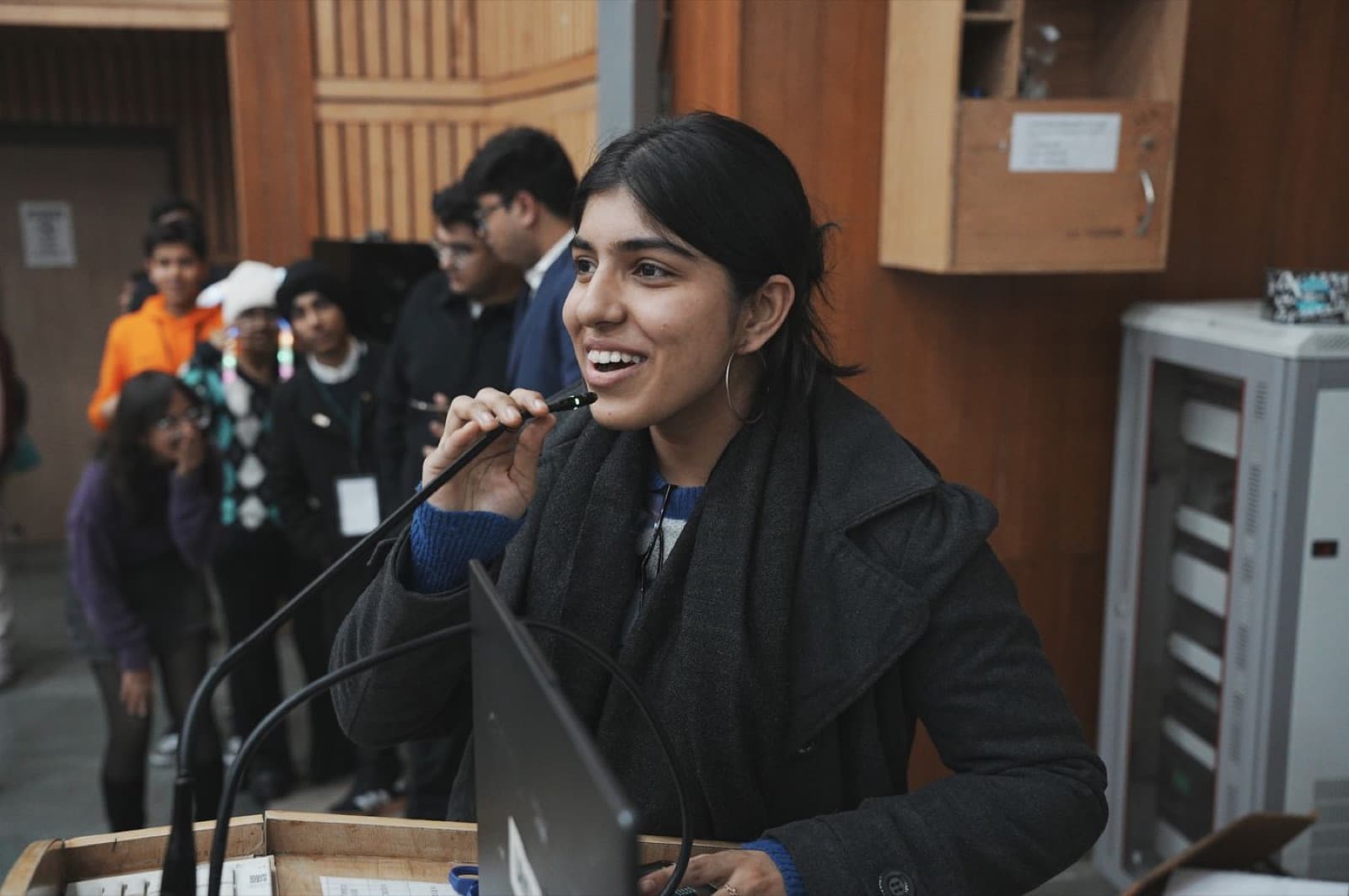
Your country's position, said out loud, from the front. Where you stand, what you want, who you need. It is the first speech most delegates ever give to forty strangers.
The opening speech - 03
Unmoderated caucus
The room breaks. The real work starts.
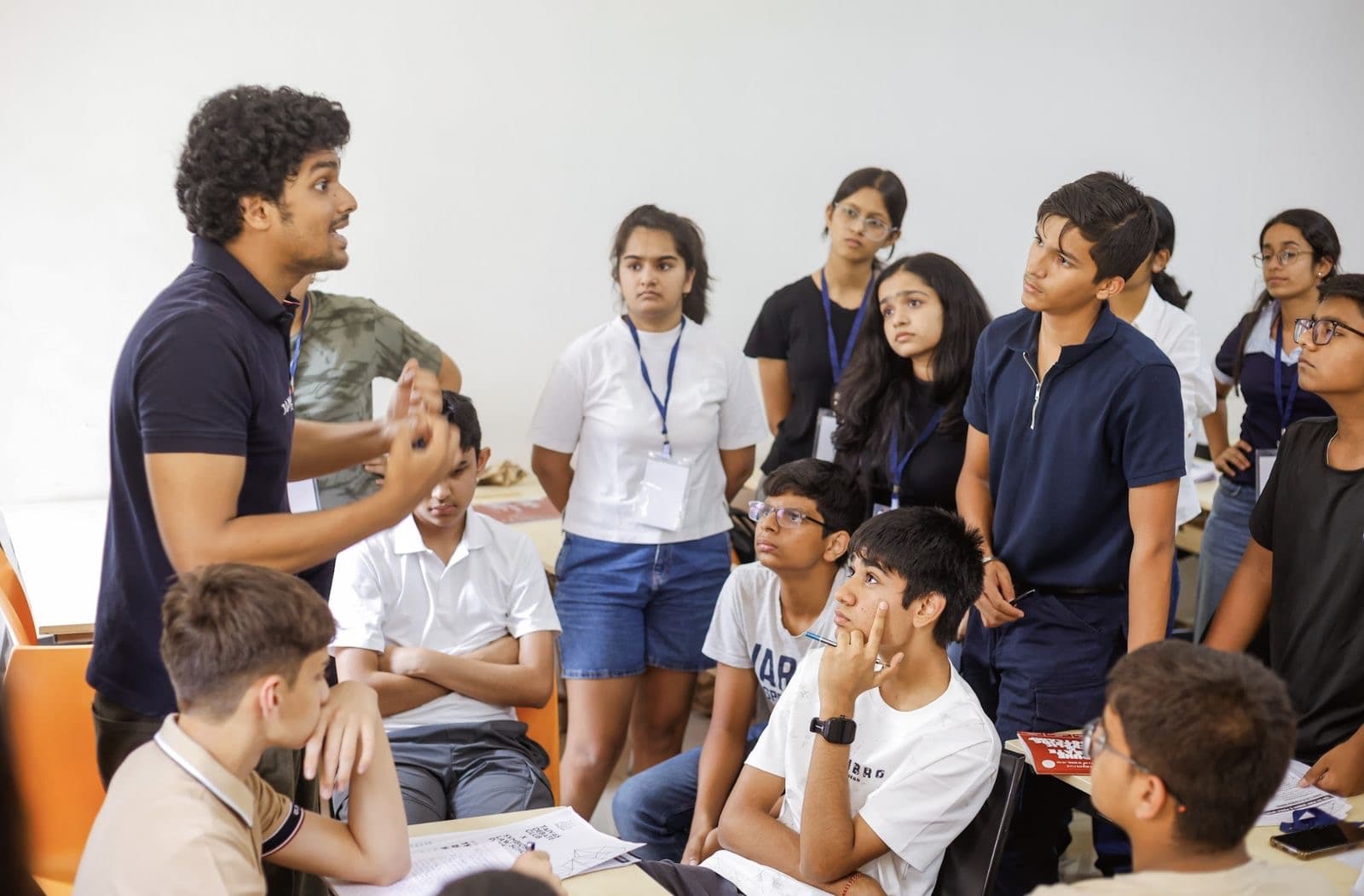
Delegates leave their seats and find their allies. Blocs form. Someone becomes the one who holds the pen. Nobody is teaching; everybody is negotiating.
Unmoderated caucus - 04
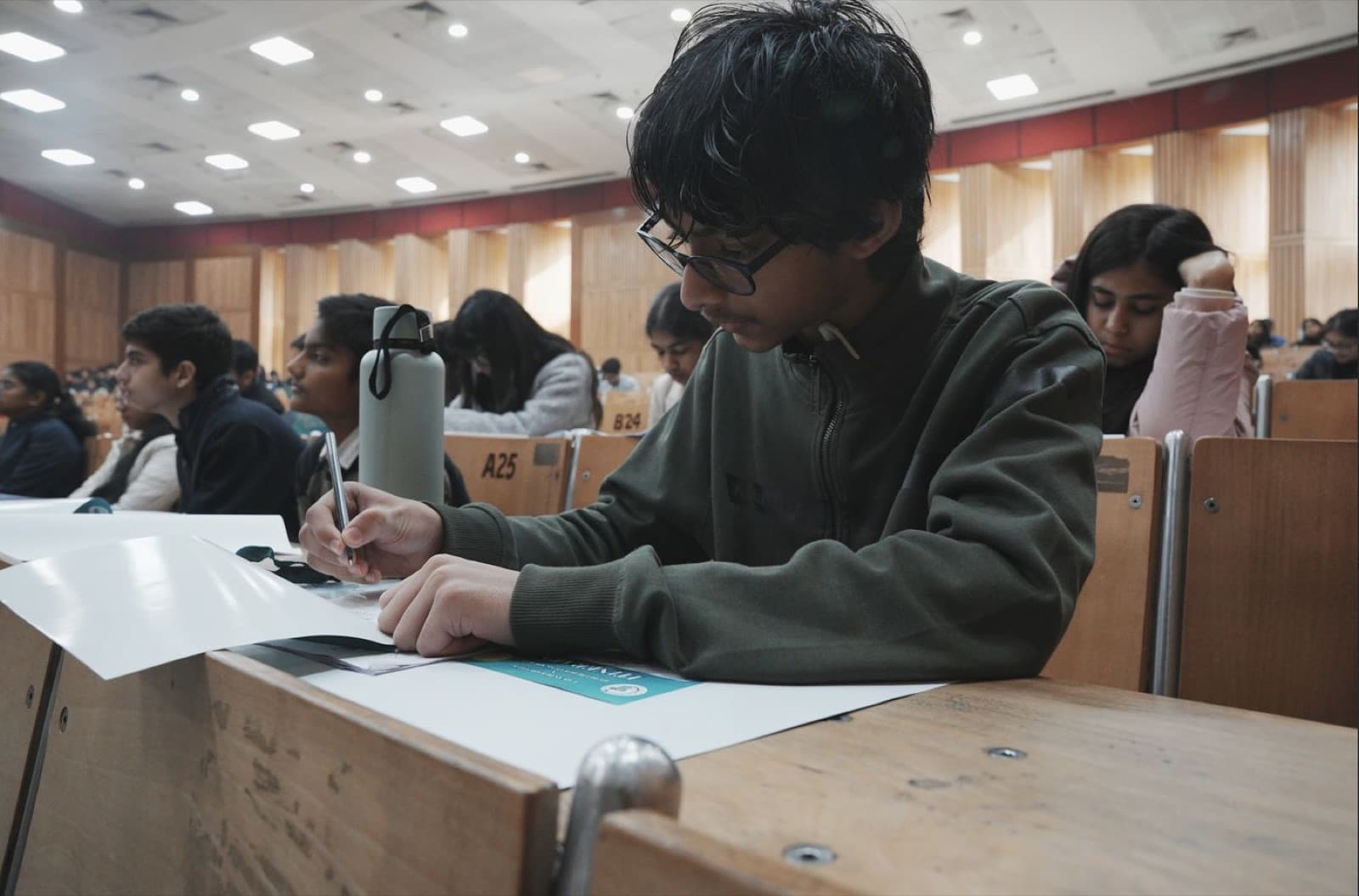
Drafting
Write the thing you argued for.
A resolution is a real document: preambular clauses, operative clauses, sponsors and signatories. It gets amended, attacked, defended, and read aloud.
Drafting - 05
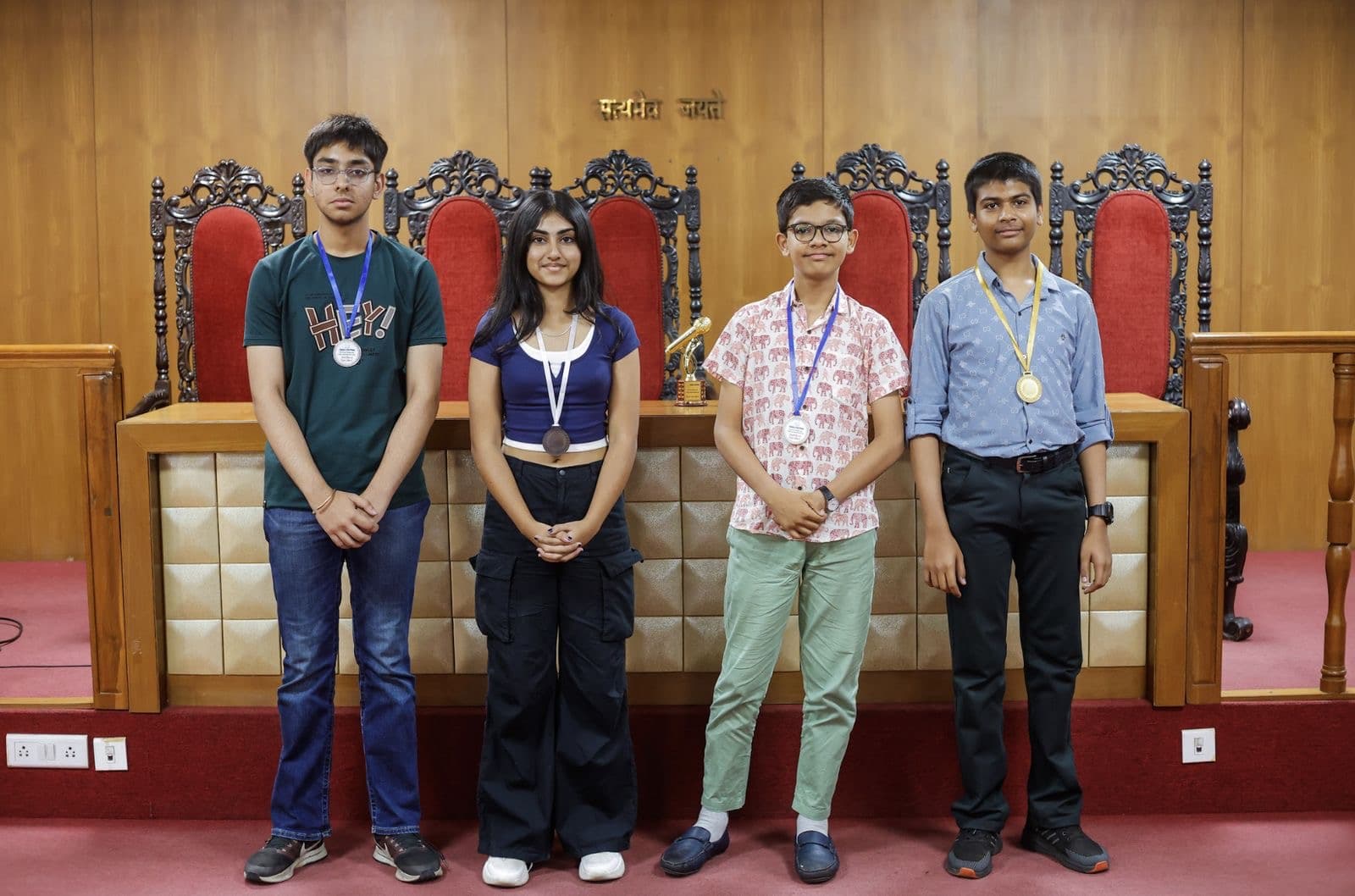
The vote and the awards
Placards up. Count it.
The resolution passes or fails in front of everyone. Then the chair names the delegates who moved the room: Best Delegate, High Commendation, Special Mention.
The vote and the awards
What we train
The road from first placard to Best Delegate.
Five things every strong delegate can do. We teach them in this order, each one practised in a mock committee before the next.
Station 01
Research a country position
Read like a diplomat: what your country has said, signed and refused. Turn it into a position paper the chair will actually read.
Station 02
The ninety-second opening speech
One position, one ask, one line they remember. Built with the same speech method as the Debating Programme, cut to conference length.
Station 03
Lobbying, blocs and the unmoderated caucus
How to walk up to a stranger and make an ally. When to lead a bloc and when to join one.
Station 04
Write and pass a resolution
Clause by clause: what goes in the preamble, what an operative clause must do, how an amendment is moved and survived.
Station 05
Rules of procedure and committee flow
Motions, points, speakers' lists, the speaking time you can ask for. The procedure stops being scary and starts being a tool.
Who it is for
First-time delegates, especially the nervous ones.
Most first-time delegates freeze in session one because nobody showed them the room before. This is the showing.
- Grades 7 to 12
- First-time delegates, and returning ones who want to place
- Runs alongside the Debating Programme; Advanced-level students already meet MUN as a format
- Register interest now and we tell you the first cohort date
What it leads to
What your child gets from it.
A conference they can walk into
Procedure, paper and speech ready before the first roll call. No frozen first session.
Awards on the school circuit
Best Delegate, High Commendation and Special Mention are how MUNs recognise delegates. That is what the training aims at.
It feeds the debating
Research, weighing and the ninety-second speech carry straight back into rounds. Delegates make sharper debaters and vice versa.
Already in the Debating Programme? Advanced level meets MUN as a format →
Questions parents ask
Before you register interest.
- Does my child need to have debated before?
- No. MUN Training is for first-time delegates as much as returning ones. The Debating Programme helps, and Advanced-level students already meet MUN as a format, but it is not a prerequisite.
- What does a Model UN conference actually involve?
- Each student represents a country in a committee with one agenda. Over the conference they give speeches, negotiate in breaks called caucuses, write a resolution with allies, and vote on it. Chairs run the room and give awards.
- When does the first cohort start?
- It has not been announced yet. Register interest with your child's grade and we write to you first with the date, timings and fee.
- Is it online or in person?
- That is decided with the first cohort. Register interest and we tell you before it is announced anywhere else.
- Does Taivas run its own conference?
- Register interest and we will tell you what is on the calendar for your child's grade.
Be in the room before it opens.
Register interest with your child's grade. When the first MUN Training cohort is announced, you hear first, with the date, the format and the fee.